
About Us
Our Mission
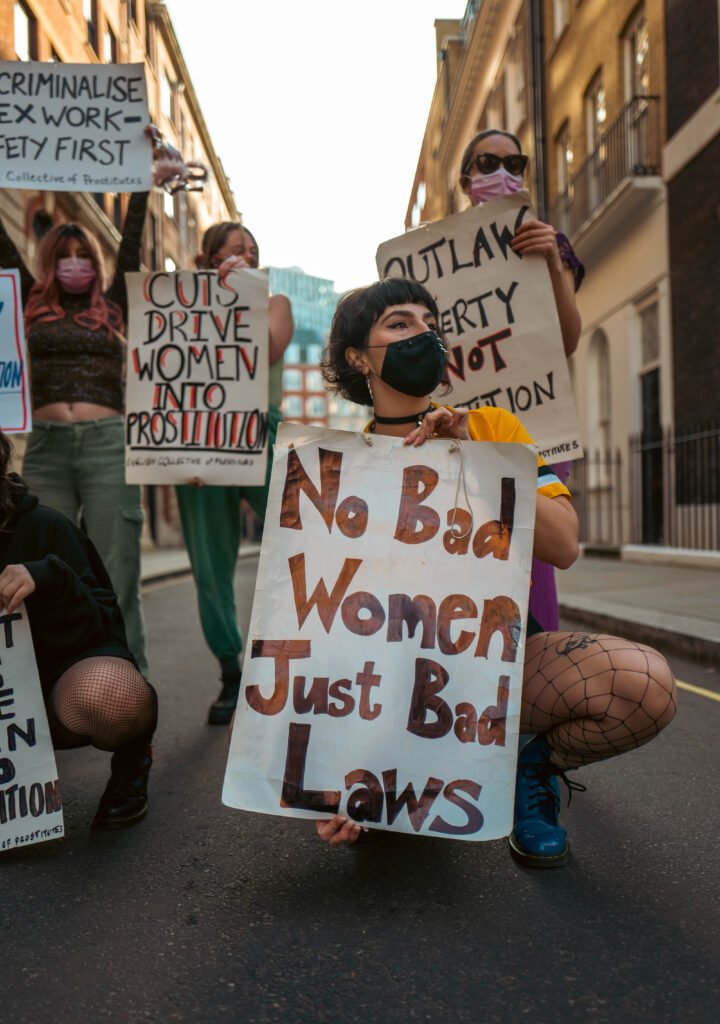
Scotland for Decrim is a new campaign fighting for the full decriminalisation of sex work in Scotland. The evidence is clear – the current model of partial criminalisation of sex work in Scotland puts sex workers’ lives in danger. We need change now.
The campaign is led by current sex workers, alongside allies including former sex workers, feminists, academics, trade unionists, students, and organisations advocating for human rights, drug decriminalisation, LGBTQIA+ liberation, housing justice, and more.
Our Demands
- The Full Decriminalisation of sex work in Scotland.
- Better protection from poverty and other conditions which drive people into sex work.
- Better access to healthcare, housing, and other essential services for sex workers.
- An end to the stigmatisation of and discrimination against sex workers, and the violence which too often comes with it.
The Current Situation
Sex workers in Scotland are excluded from safer working practices by various laws and policies which seek to criminalise or restrict the selling of sex and other forms of erotic labour. Sex workers are unable to work together indoors for safety because of the risk of being charged under outdated and dangerous ‘brothel-keeping’ laws. Outdoor sex work is also illegal, meaning that those working on the street are forced to work in more isolated, dangerous areas in order to avoid police harassment or fines. Workers in strip clubs have been facing repeated attempts to shut down these clubs by anti-sex work campaigners, despite defeating this in the courts.
Against the evidence, some anti-sex work campaigners are attemping to increase the criminalisation of sex work in Scotland by lobbying for the criminalisation of clients (sometimes known as ‘the Nordic Model’). Client criminalisation is extremely harmful for sex workers, putting people more at risk of poverty, violence, homelessness, and exploitation. The Scottish Government has already thoroughly consulted with the public, and the public has been clear – Scotland doesn’t want the criminalisation of clients.
Many sex workers are mothers, trans people, migrants, people of colour, disabled, or belong to other marginalised groups. Not only has the government failed to support us, we are being criminalised for our ways of surviving. This is especially true during times of widespread economic hardship, as is currently the case in Scotland with the ongoing cost of living crisis. Sex workers are speaking out – we demand the full decriminalisation of sex work.
Why do we need the full decriminalisation of sex work?
Full decrim would allow sex workers to work together for safety, decreasing the risk of violence from clients or the police. It would allow sex workers to more easily unionise to defend our right to work free from harassment or abuse. It would decrease the stigmatisation of sex workers, making it easier for us to access healthcare and other services. Full decriminalisation is an essential step for harm reduction, and for protecting sex workers’ health.
The Scottish government should make policy by listening to people with lived experience, who are currently experiencing the effects of the laws around sex work.
We demand the full decriminalisation of sex work for our safety, our health, and our human rights.